Nahttypen: The Complete Guide to Every Seam Type (With Uses and Tips)
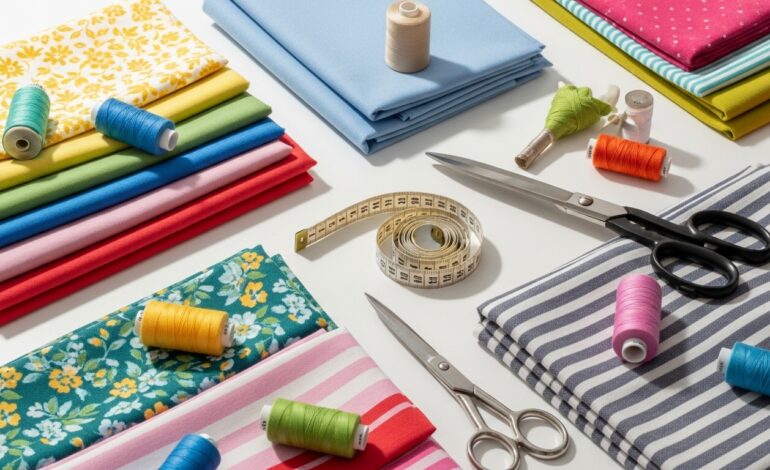
Nahttypen: The Complete Guide to All Seam Types in Sewing
Have you ever sewn something that looked great but fell apart after a few uses? Or picked a seam that did not stretch with the fabric? Most of the time, the problem is not the fabric or the thread. It is the wrong seam type. Nahttypen is a German word that simply means “types of seams.” A seam is the line where two pieces of fabric are joined together by stitching.
Picking the right seam changes everything. It affects how strong your project is, how it feels to wear, and how long it lasts. In this guide, you will learn all the main Nahttypen, when to use each one, and how to pick the best seam for any fabric or project.
What Does Nahttypen Mean?
Nahttypen is a German word. “Naht” means seam and “Typen” means types. So Nahttypen simply means “types of seams” in English. A seam is formed when you stitch two pieces of fabric together. But not all seams are the same. Different projects need different seams. Some are strong. Some stretch. Some are completely hidden. Some add decoration.
This word is used in sewing, tailoring, and the textile industry. You will see it in German sewing guides, fashion schools, and garment factories around the world. Learning the different seam types helps you make smarter choices every time you sew. It does not matter if you are a complete beginner or a skilled tailor. Understanding your seam types will always improve your results.
Why Nahttypen Matter in Sewing and Garment Construction
Not all seams work the same way. Choosing the right Nahttypen can change how your finished item looks and how long it holds together under real-world use.
Here is why seam selection matters so much:
Durability: The right seam holds up under pressure. It does not fall apart when you wash or wear the item repeatedly.
Comfort: Some seams lie flat against the skin. Others feel rough or create a bump. A flat seam is always better for clothing worn close to the body, like underwear or activewear.
Appearance: A well-chosen seam gives your project a clean, professional look. A poorly chosen one can ruin even the most expensive fabric.
Flexibility: Stretchy fabrics need seams that move with them. If you use a rigid seam on stretch fabric, it will snap after just a few uses.
Taking a few extra minutes to choose the right seam type is always worth it in the end.
All Nahttypen at a Glance
Here is a simple comparison of all the main Nahttypen to help you make a fast decision before any project:
| Seam Type | German Name | Best Fabric | Best Use | Skill Level |
|---|---|---|---|---|
| Straight Stitch Seam | Geradstichnaht | Cotton, Linen, Denim | Everyday garments | Beginner |
| Open Seam | Offene Naht | Most fabrics | Basic garment construction | Beginner |
| Zigzag Seam | Zickzacknaht | Knit, Stretch | Sportswear, underwear | Beginner |
| French Seam | Französische Naht | Silk, Chiffon | Delicate garments | Intermediate |
| Flat-Felled Seam | Kappnaht | Denim, Canvas | Jeans, jackets | Intermediate |
| Overlock Seam | Overlocknaht | Most fabrics | T-shirts, hoodies | Intermediate |
| Flatlock Seam | Flachnaht | Stretch, Athletic wear | Sportswear, yoga wear | Intermediate |
| Blind Stitch Seam | Blindstich | Formal, Dress wear | Hemming | Advanced |
| Welt Seam | Passennaht | Wool, Tailored fabrics | Pockets, suits | Advanced |
| Decorative Seam | Ziernaht | Any fabric | Embellishment | Beginner |
Save this table. It will help you pick the right seam every single time.
The 10 Most Common Nahttypen Explained
Now let us go through each seam type one by one. Each section tells you what it is, when to use it, and a simple tip for the best result.
Straight Stitch Seam (Geradstichnaht)
The straight stitch seam is the most basic of all seam types. It is a single straight line of stitches that holds two pieces of fabric together. This seam is strong, simple, and works well on most woven fabrics like cotton, linen, and denim. It is the first seam every beginner learns. And it is still the most used seam in everyday sewing.
Best for: Shirts, trousers, pillowcases, and curtains.
Tip: Use a seam allowance of about 1.5 cm for the cleanest and most secure finish.
Open Seam (Offene Naht)
The open seam is one of the most common seam types in basic garment construction. After stitching, the seam allowance is pressed open and flat on both sides with an iron. This gives the garment a flat, smooth look on the inside. It reduces bulk and makes the fabric lie flat. It works on almost any type of fabric and is easy to sew correctly.
Best for: Skirts, trousers, blouses, and jacket side seams.
Zigzag Seam (Zickzacknaht)
The zigzag seam moves side to side in a “Z” pattern as it stitches. This back-and-forth motion gives the seam stretch and flexibility. It is one of the best seam types for stretchy fabrics because it bends with the material instead of breaking under tension.
Best for: Leggings, swimwear, underwear, and any knit or stretch fabric.
Tip: You can also run a zigzag stitch along the edge of woven fabrics to stop them from fraying, even if you are using a different seam type for the main join.
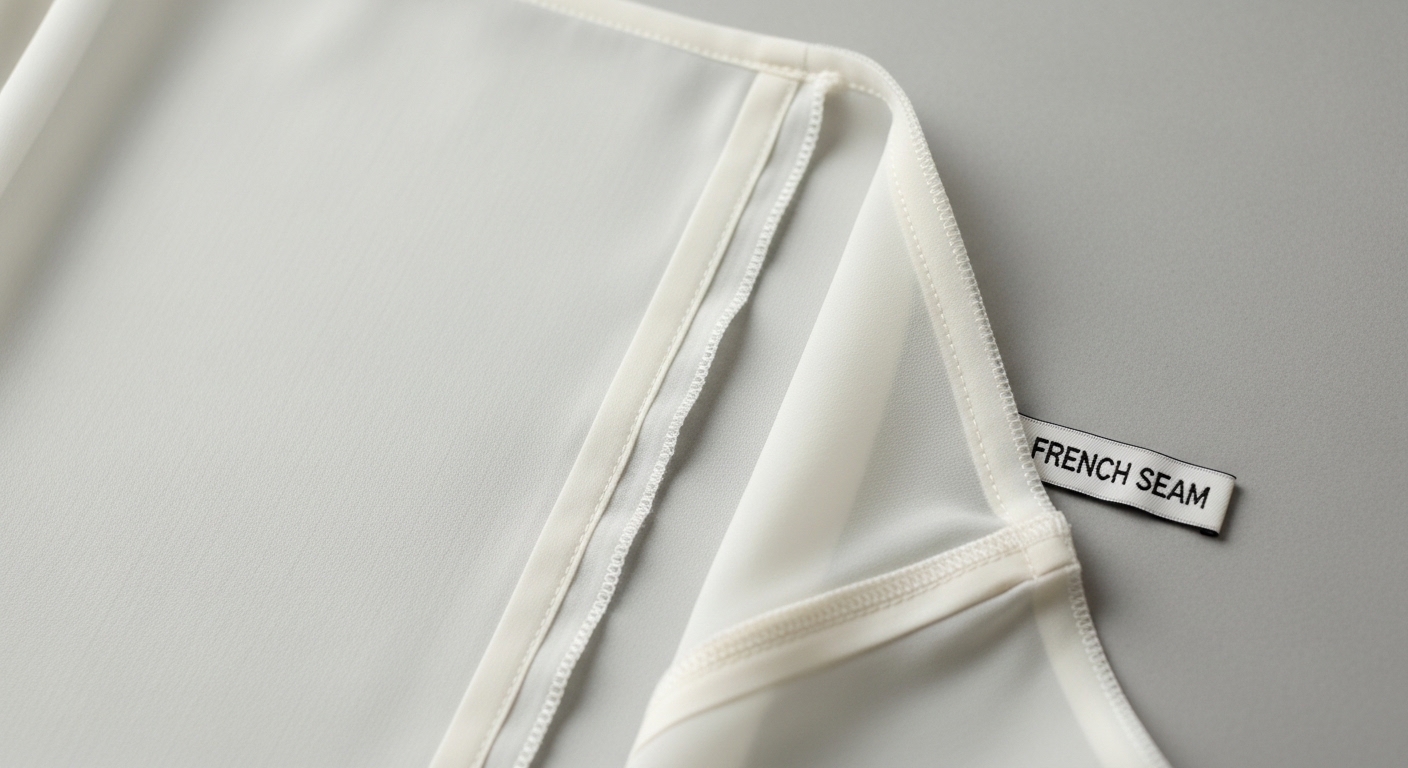
French Seam (Französische Naht)
The French seam is one of the most elegant Nahttypen you can learn. It wraps the raw fabric edge completely inside the seam. You cannot see any loose threads from the outside or the inside. This seam takes a little more time to sew because it involves two rounds of stitching. But the result is very polished and professional looking.
Best for: Silk blouses, chiffon dresses, voile curtains, and fine bed linen.
Flat-Felled Seam (Kappnaht)
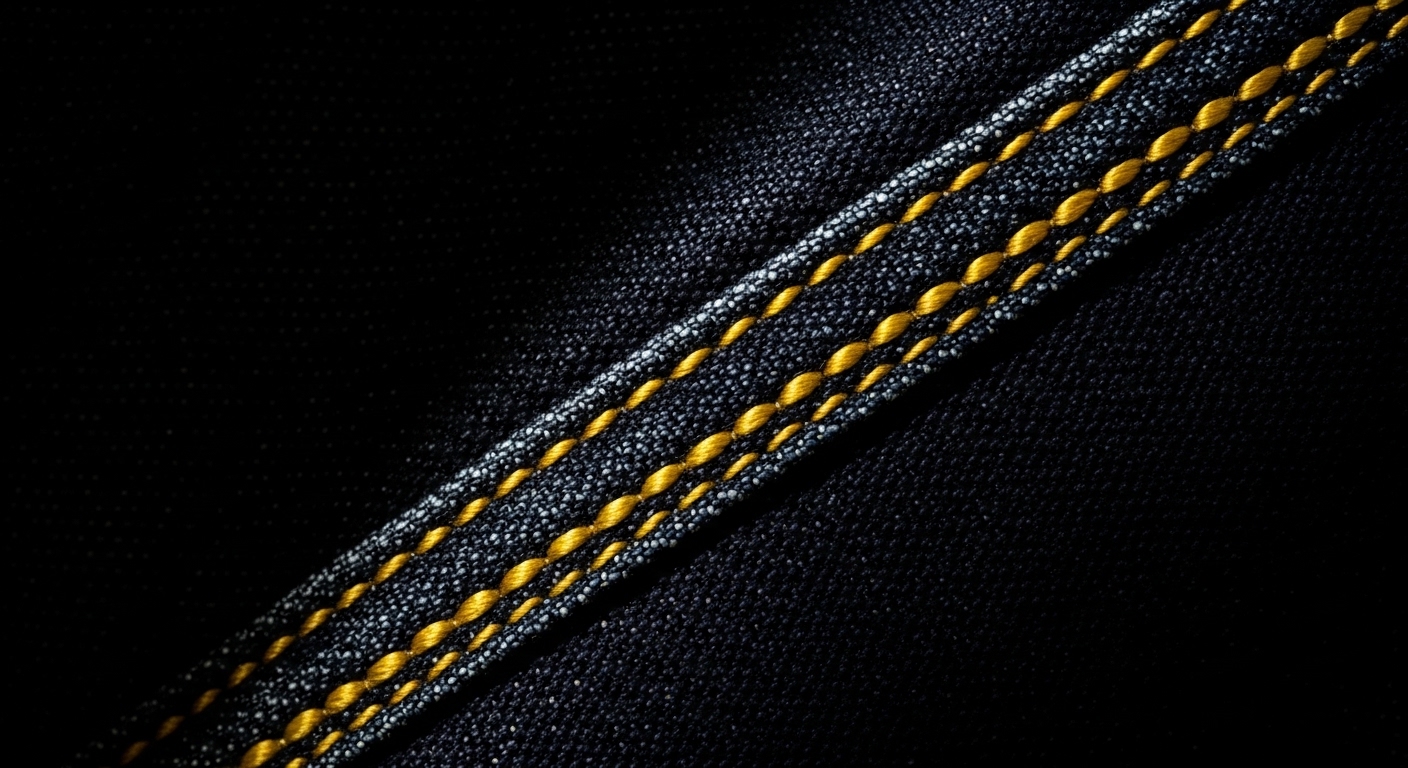
The flat-felled seam is one of the strongest Nahttypen available to home sewers. It has two visible rows of stitching and the fabric folds flat underneath itself, creating a very secure join. You can see this seam along the inside leg of most jeans. It is also used on many workwear garments.
Best for: Jeans, denim jackets, canvas bags, workwear, and uniforms.
Tip: This seam looks great from both sides, which makes it perfect for reversible garments.
Overlock Seam (Overlocknaht)
The overlock seam does three things at once. It trims the fabric edge, sews the seam, and finishes the edge so it cannot fray. You need an overlock machine (also called a serger) to create this seam type. It is one of the fastest seam types available and is used in almost all mass-produced, ready-to-wear clothing worldwide.
Best for: T-shirts, hoodies, jersey dresses, and any knitwear.
Flatlock Seam (Flachnaht)
The flatlock seam lies completely flat against the fabric. There is no raised ridge or bump on either side. This makes it very comfortable when the fabric is worn directly against the skin. It is one of the most popular seam types in sportswear because it eliminates skin friction during movement.
Best for: Yoga pants, cycling shorts, athletic tops, and performance underwear.
Blind Stitch Seam (Blindstich)
The blind stitch seam is almost completely invisible from the outside of a garment. It is used mostly for hemming. When you look at formal trousers or a tailored skirt, the hem is almost always finished with this seam type. This is one of the Nahttypen that takes the most practice to get right. But once you learn it, the results look very clean and professional.
Best for: Formal trousers, dress skirts, suit jackets, and high-quality curtains.
Welt Seam (Passennaht)
The welt seam is a raised seam that sits on top of the fabric surface. It adds structure and a neat decorative edge at the same time. This seam type is very common in tailoring. You will notice it on the back pockets of well-made trousers and along the edges of quality jackets.
Best for: Suit jackets, tailored trousers, and structured wool coats.
Decorative Seam (Ziernaht)
The decorative seam is not about strength or structure. It is all about visual impact. These seams use special stitch patterns to add a design detail to the surface of the fabric. Using a contrasting thread color makes the stitching stand out and become part of the design itself. This turns a plain item into something with personality.
Best for: Denim jackets, tote bags, quilts, and casual embroidered clothing.
Which Nahttypen to Use for Each Fabric Type
Choosing the right seam type always starts with knowing your fabric. Here is a simple guide to help you match the seam to the material you are working with.
Nahttypen for Woven Fabrics (Cotton, Linen, Denim)
Woven fabrics are firm and do not stretch. They need stable seams that hold their shape through repeated wear and washing. The best seam types for woven fabrics are the straight stitch seam (Geradstichnaht) and the open seam (Offene Naht). For a very clean inside finish on lightweight woven fabrics like cotton lawn or poplin, use the French seam (Französische Naht). For heavy woven fabrics like denim and canvas, always go with the flat-felled seam (Kappnaht). It is strong and built to handle tough conditions without coming apart.
Nahttypen for Stretch and Knit Fabrics
Stretch and knit fabrics move with your body. If you use a seam that cannot stretch, it will break when you pull or bend the fabric during normal wear. The best Nahttypen for stretch fabrics are the zigzag seam (Zickzacknaht), the overlock seam (Overlocknaht), and the flatlock seam (Flachnaht). All three move with the fabric and hold their shape over time. Always test your chosen seam on a small scrap piece before you commit to the full project.
Nahttypen for Delicate Fabrics (Silk, Chiffon, Voile)
Delicate fabrics fray easily and can look messy with bulky or highly visible seams. They need fine seams that stay neat and do not show through the fabric from the outside. The best Nahttypen for delicate fabrics are the French seam (Französische Naht) and the blind stitch seam (Blindstich). Both hide all the raw edges completely and give a very refined, high-quality finish. Use a fine needle and lower your thread tension slightly when sewing delicate materials. This prevents puckering and damage to the fabric.
Nahttypen by Skill Level: Beginner to Advanced
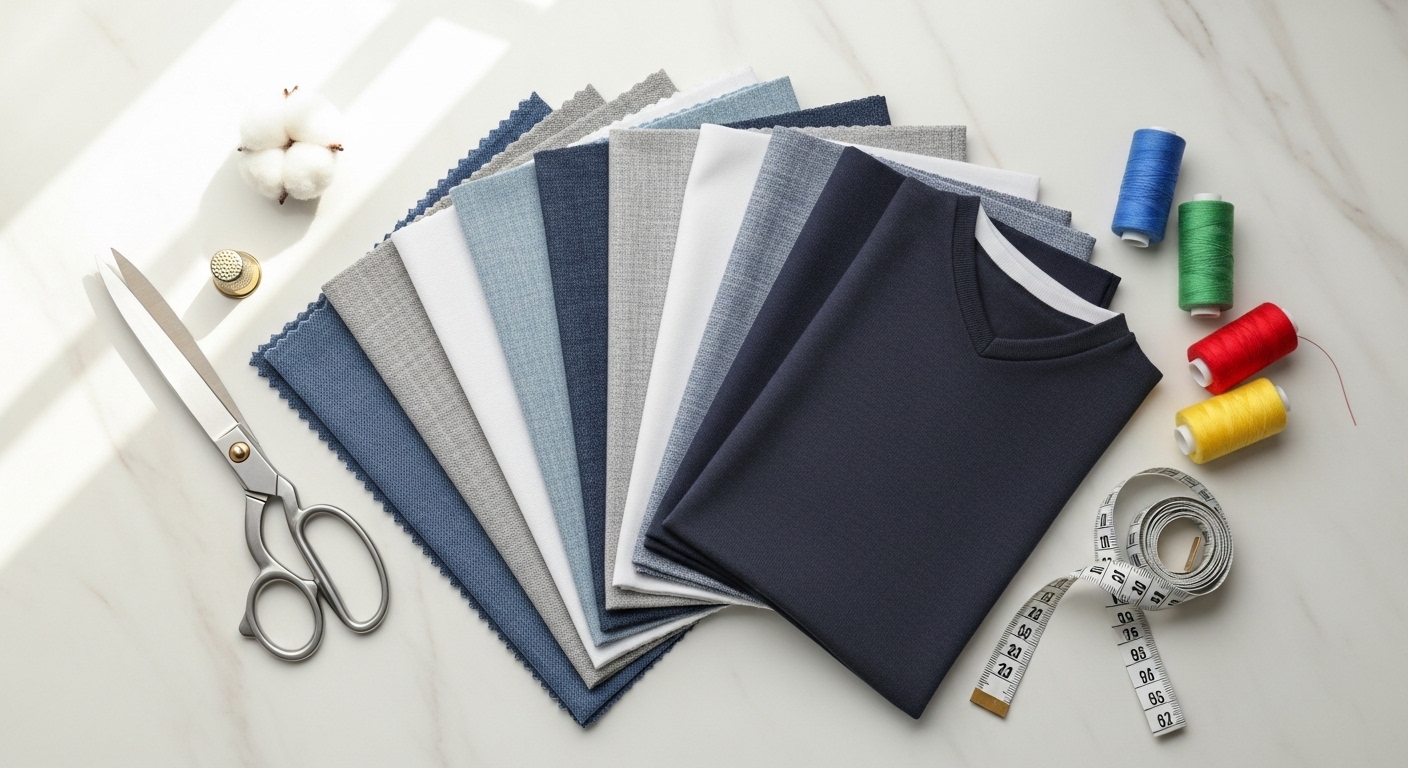
Not all seam types are equally easy to learn. Here is a clear guide based on your current sewing experience so you know exactly where to start.
Easy Nahttypen for Beginners
If you are new to sewing, start with these seam types first:
- Straight Stitch Seam (Geradstichnaht)
- Open Seam (Offene Naht)
- Zigzag Seam (Zickzacknaht)
- Decorative Seam (Ziernaht)
These seams are simple to sew on any basic home sewing machine. They give you good, consistent results without needing a lot of experience or special equipment. Practice each one on scrap fabric before using it on your actual project material.
Intermediate Nahttypen for Better Results
Once you feel comfortable with the basics, move on to these seam types:
- Overlock Seam (Overlocknaht) — Note: you will need an overlock machine for this one
- Flat-Felled Seam (Kappnaht)
- Flatlock Seam (Flachnaht)
These seams take a bit more skill and patience to get right. But they make your finished clothing look much more polished. The overlock seam alone will change how your knitwear looks inside and out.
Advanced Nahttypen Used in Professional Tailoring
When you are ready for a real challenge, try these seam types:
- French Seam (Französische Naht)
- Blind Stitch Seam (Blindstich)
- Welt Seam (Passennaht)
These are the seam types used by professional tailors in high-end fashion. They need precision and practice to master. But they make a very noticeable difference in the quality and feel of a finished garment. Do not rush these. Take your time and practice each one slowly on scrap pieces first.
How to Choose the Right Nahttypen for Your Project
Picking the right Nahttypen does not have to feel overwhelming. Just ask yourself these four simple questions before you pick up your needle and thread.
What fabric am I using?
Stretchy fabric needs stretchy seams. Delicate fabric needs fine, clean seams. Heavy fabric needs strong, durable seams. Your fabric always tells you where to start.
What is this item used for?
Jeans and bags need tough, hard-wearing seams. Formal wear needs clean, nearly invisible seams. Sportswear needs seams that flex and move without breaking.
What is my current skill level?
Always start with a seam type you can do well. A perfectly sewn simple seam will always look better than a poorly sewn complex one. Build your skills step by step.
How should the inside of the item look?
If the inside will be visible, such as the inside of an unlined bag or a reversible jacket, use a seam that looks clean on both sides. The French seam or flat-felled seam are both good options here.
Before you cut into your main fabric, always sew a test seam on a piece of scrap material. This small step saves a lot of time and avoids costly mistakes.
Nahttypen and Sewing Machines: What You Need to Know
Your sewing machine plays a big role in which seam types you can actually make at home.
A basic home sewing machine can sew straight stitches and zigzag stitches. This covers most beginner and intermediate Nahttypen without any extra equipment.
An overlock machine, also called a serger, lets you sew, trim, and finish edges all at the same time. You need this machine for the Overlocknaht. It gives your clothing a clean, professional factory finish on the inside.
A coverstitch machine creates the flatlock seam. It is mainly used in sportswear and knitwear hemming to get that smooth, flat finish you see on athletic clothing.
You do not need all three machines to start sewing. A basic machine with a zigzag function is enough for most home projects. Add an overlock machine later when you are ready to take things further.
Pro Tips for Stronger and Cleaner Nahttypen
Here are some simple, practical tips to help you get better results with any seam type you choose.
- Use the right needle size for your fabric. A thick needle on thin fabric will leave visible holes and damage the material.
- Always use good quality thread. Cheap thread breaks easily and makes even the best seams weak over time.
- Press your seams with an iron after sewing. This step alone makes a huge difference in how neat and professional the finished item looks.
- Backstitch at the start and end of every seam. This stops the thread from unraveling with regular use and washing.
- Sew slowly when working with tricky materials like silk or chiffon. Speed leads to uneven stitches and hard-to-fix mistakes.
- Use pins or fabric clips to hold pieces together before sewing. This keeps your fabric from shifting and gives you a straighter, more even seam.
- Match your thread color to your fabric whenever possible. This keeps seams from standing out in ways you do not want.
These small habits make a big difference in how your projects turn out.
Frequently Asked Questions
What is the strongest Nahttypen for jeans and denim?
The flat-felled seam (Kappnaht) is the strongest seam type for jeans and denim. It uses two rows of stitching and folds the fabric over itself, creating a layered join that is very difficult to tear. You can see this seam along the inside leg of most jeans. It is designed to handle heavy daily use and repeated washing without breaking down. For heavy canvas or workwear, it is also the top choice.
What Nahttypen are used in professional fashion design?
Professional fashion designers use different seam types depending on the garment they are making. For luxury and delicate clothing, the French seam (Französische Naht) and blind stitch seam (Blindstich) are most common. For structured garments like suits and coats, the welt seam (Passennaht) and flat-felled seam (Kappnaht) are popular choices. The overlock seam (Overlocknaht) is used in most mass-produced, ready-to-wear clothing across the fashion industry.
Which Nahttypen is best for stretch fabrics like jersey?
The overlock seam (Overlocknaht) and the zigzag seam (Zickzacknaht) are both excellent choices for jersey and stretch fabrics. Both seam types are flexible and move with the fabric instead of snapping under tension. For sportswear specifically, the flatlock seam (Flachnaht) is also a great option because it lies completely flat against the skin and causes no friction during physical activity.
How many types of Nahttypen are there?
There are many Nahttypen used across sewing and textile production, with some industry estimates putting the total at over 70 variations. But the 10 most common ones cover almost every type of home sewing or professional garment-making project. These 10 key seam types are the straight stitch, open seam, zigzag, French seam, flat-felled seam, overlock, flatlock, blind stitch, welt seam, and decorative seam.
What does Nahttypen mean in English?
Nahttypen is a German word that means “types of seams” in English. It comes from “Naht” which means seam and “Typen” which means types. The term is widely used in sewing, tailoring, fashion design, and textile manufacturing to describe the different methods used to stitch fabric pieces together.
 Final Thoughts: Mastering Nahttypen for Better Sewing
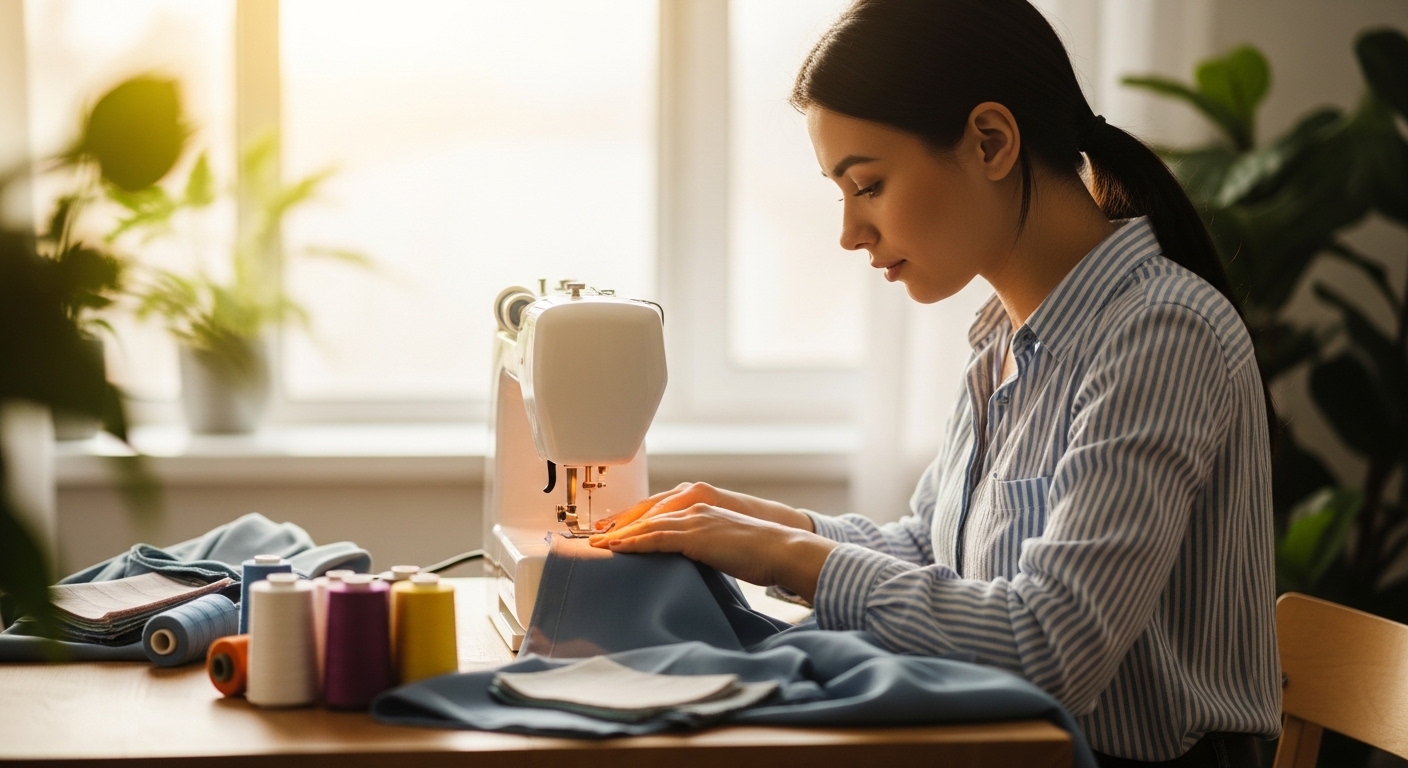 Final Thoughts: Mastering Nahttypen for Better Sewing
Learning the different Nahttypen is one of the most valuable things you can do as someone who sews. It helps you pick the right seam for every job. Your projects will look better, last longer, and feel more comfortable to wear or use.
Start with the basic seams. Practice them on scrap fabric until they feel easy. Then move on to the more challenging Nahttypen at your own pace. You do not have to learn everything at once. Every new seam type you master adds a useful skill to your sewing toolkit.
Whether you sew for fun, for family, or to create professional-level garments, understanding seam types will always raise the quality of your work. The more you practice, the more natural it all becomes.