


Foenegriek Benefits: Discover Uses, Dosage, Health Impact
Foenegriek Explained: Proven Benefits, Uses, Dosage, and Health Secrets
Have you ever wondered why foenegriek has been trusted for centuries across cultures for health and wellness? I often see people curious about this natural plant because of its unique ability to support digestion, regulate metabolism, and boost overall vitality. Foenegriek, also called fenugreek, comes from the seeds of the Trigonella foenum-graecum plant and contains fiber, plant-based protein, and natural compounds that can have real benefits when used correctly. Despite its growing popularity, many people don’t fully understand how foenegriek works or why it remains so widely recommended.
In this guide, I want to take a close look at foenegriek from all angles. You will learn its origin, nutritional value, traditional and modern uses, and practical ways to include it in daily life. My goal is to provide clear, reliable insights about foenegriek so readers can confidently understand and use this powerful natural plant.
What Is Foenegriek? Meaning, Definition, and Botanical Identity
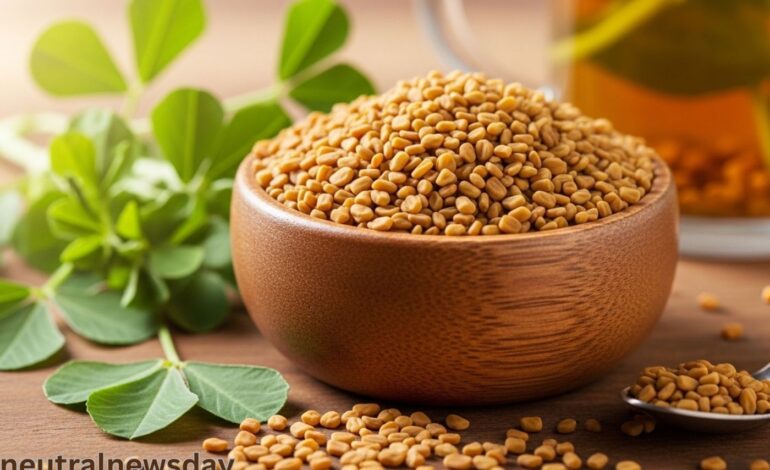
Foenegriek is a leguminous herb belonging to the Fabaceae family, commonly referred to as fenugreek in English and fenugrec in French. Scientifically named Trigonella foenum-graecum, the plant produces small golden-brown seeds with a slightly bitter taste and strong aroma. These seeds are the most widely used part of the foenegriek plant due to their concentrated nutritional and medicinal compounds.
Foenegriek is cultivated in regions such as India, North Africa, and the Middle East, where it plays a dual role as both a culinary spice and a therapeutic herb. From a botanical perspective, foenegriek seeds are rich in soluble fiber, plant-based proteins, and bioactive compounds like saponins. These properties explain why foenegriek is frequently used in natural health products and functional foods. Its versatility allows it to be consumed whole, powdered, soaked, or encapsulated, depending on the intended use.
Origin and Traditional Uses of Foenegriek in Herbal Medicine
Historically, foenegriek has been valued across ancient civilizations for its healing properties. In Ayurveda, fenugreek was traditionally prescribed to support digestion, enhance metabolism, and promote reproductive health. Ancient Egyptian texts also reference fenugreek as a remedy for inflammation and digestive discomfort. Over time, its use expanded across Greek, Roman, and Middle Eastern cultures.
Traditional applications of foenegriek often focused on restoring balance within the body. Herbal practitioners used fenugreek to support lactation, maintain blood sugar stability, and strengthen physical vitality. These traditional uses align closely with modern health goals, which has contributed to renewed interest in fenugreek supplements. Today, foenegriek is still widely used in natural medicine systems due to its adaptogenic and nutritional profile. Its continued relevance highlights how traditional knowledge and modern science intersect around this powerful plant.
 Nutritional Composition of Foenegriek Seeds
The nutritional profile of fenugreek seeds is one of the main reasons they are valued in health and wellness. Foenegriek contains a high concentration of dietary fiber, which supports digestive function and contributes to feelings of fullness. In addition, the seeds provide plant-based protein, making them useful for individuals seeking natural nutritional support.
Key nutrients found in fenugreek include:
-
Soluble and insoluble fiber for gut health
-
Iron and magnesium for energy metabolism
-
B-vitamins supporting nervous system function
-
Saponins and alkaloids linked to metabolic regulation
Foenegriek also contains antioxidants that help protect cells from oxidative stress. These compounds work synergistically to support metabolic health and nutrient absorption. Because of this nutrient density, fenugreek is often included in functional foods and herbal formulations aimed at long-term wellness rather than short-term results.
Health Benefits of Foenegriek Backed by Research
Scientific interest in fenugreek has increased due to its wide range of documented health benefits. Research suggests that fenugreek may help regulate blood sugar levels by slowing carbohydrate absorption and improving insulin sensitivity. This makes it particularly relevant for individuals focusing on metabolic health.
Foenegriek is also associated with digestive support due to its fiber content, which promotes regular bowel movements and gut balance. Additionally, its bioactive compounds are studied for their potential role in supporting hormonal balance and cardiovascular health. While fenugreek is not a medical treatment, its consistent inclusion in wellness routines reflects its supportive role in overall health.
Regular consumption of fenugreek in appropriate amounts may contribute to:
-
Improved digestive comfort
-
Better blood sugar management
-
Enhanced nutrient intake
-
Support for natural energy levels
These benefits explain why fenugreek remains a staple in both traditional and modern health practices.
Foenegriek Uses in Daily Life and Wellness Practices
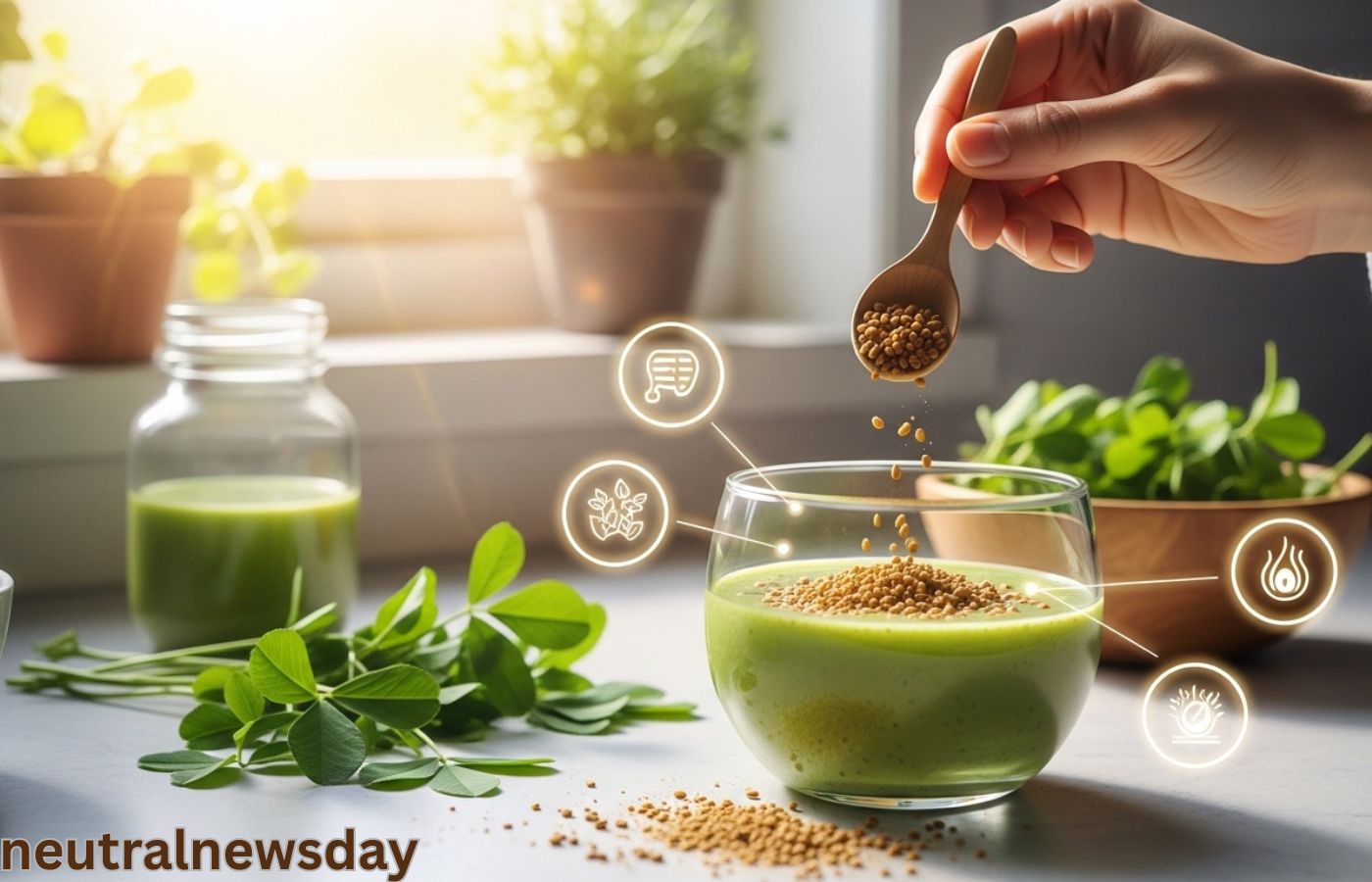
Foenegriek is used in multiple forms, depending on personal preference and health goals. Whole fenugreek seeds are often soaked in water before consumption to reduce bitterness and improve digestibility. Powdered fenugreek is commonly added to smoothies, herbal teas, or meals. Capsules and supplements provide a standardized option for those seeking convenience.
Common uses of fenugreek include:
-
Culinary seasoning in traditional dishes
-
Herbal tea for digestive comfort
-
Dietary supplement for metabolic support
-
Natural ingredient in wellness routines
Its adaptability makes fenugreek suitable for long-term use when consumed responsibly. Understanding the correct form and dosage helps users maximize benefits while minimizing potential side effects.
How to Use Foenegriek Effectively
Foenegriek can be incorporated into daily routines in multiple forms depending on individual goals. The seeds are versatile and can be soaked, ground, or boiled to release their active compounds. Powdered fenugreek is often added to smoothies, teas, or meals for convenient consumption. Capsules or standardized supplements provide controlled doses and are particularly useful for people seeking consistent benefits without altering their diet.
Practical tips for using fenugreek :
-
Soak 1–2 teaspoons of seeds overnight for digestion support.
-
Add ½ teaspoon of fenugreek powder to meals to enhance nutrition.
-
Use standardized capsules according to manufacturer instructions.
-
Combine with warm water or herbal tea to reduce bitterness.
-
Start with small amounts to assess tolerance before increasing dosage.
Using fenugreek consistently allows the body to gradually absorb its bioactive compounds, supporting metabolism, digestion, and nutrient intake over time.
Recommended Dosage of Foenegriek
Correct dosage is crucial to maximize benefits and minimize side effects. Fenugreek can be consumed as seeds, powder, or capsules. While individual requirements vary, standard ranges are widely recommended by nutrition experts.
Dosage guidelines:
-
Whole seeds: 5–10 grams per day (soaked or cooked).
-
Powder: 1–2 teaspoons daily, mixed with food or beverages.
-
Capsules: 300–500 mg, 1–2 times daily as per instructions.
It is essential to monitor tolerance, especially for beginners. Excessive consumption may cause mild digestive discomfort. Pregnant women or people on blood sugar-lowering medication should consult a healthcare professional before taking fenugreek .
Foenegriek Side Effects and Safety Precautions
While fenugreek is generally safe, understanding possible side effects ensures responsible use. Most side effects are mild and often related to digestive changes. Allergic reactions are rare but possible, particularly in individuals sensitive to legumes.
Potential side effects include:
-
Mild bloating or gas
-
Diarrhea in high doses
-
Possible allergic reactions in rare cases
-
Risk of blood sugar drop when combined with certain medications
Safety tips:
-
Start with small doses to assess tolerance
-
Avoid excessive daily intake
-
Consult a healthcare professional if pregnant, breastfeeding, or on medication
Responsible use of fenugreek ensures maximum benefits with minimal risk, making it a reliable addition to wellness routines.
Foenegriek for Women: Hormonal and Lactation Support
Fenugreek is particularly valued among women for its potential impact on hormonal health and breastfeeding. Bioactive compounds in fenugreek , such as saponins, may support natural hormone regulation. For breastfeeding mothers, fenugreek is traditionally used to enhance milk production, although results vary individually.
Benefits for women:
-
May support hormonal balance during menstrual cycles
-
Helps maintain energy levels and metabolism
-
Traditionally used to improve lactation
-
Can be included in daily meals or supplements safely
Women considering fenugreek should start with moderate amounts and track responses, as tolerance and effectiveness differ based on body chemistry.
 Foenegriek for Men: Metabolic and Nutritional Support
Foenegriek is also beneficial for men, particularly for metabolism, energy, and overall vitality. Its protein content and bioactive compounds may support muscle maintenance and cardiovascular health. Some studies indicate that fenugreek may help regulate testosterone levels naturally, although more research is needed for conclusive evidence.
Benefits for men:
-
Supports metabolic health and energy balance
-
May enhance strength and muscle function
-
Provides dietary protein and fiber
-
Acts as a natural antioxidant to reduce cellular stress
For men, fenugreek can be incorporated through meals, shakes, or capsules, ensuring consistent but moderate intake for optimal benefits.
Foenegriek vs Other Natural Remedies
Comparing fenugreek with other herbal supplements highlights its unique properties. While many plants offer specific benefits, fenugreek provides a combination of nutritional, digestive, and metabolic support.
Comparison with common herbs:
-
Maca: Focused on energy and hormonal support; fenugreek adds fiber and protein.
-
Ginger: Primarily aids digestion and inflammation; fenugreek supports blood sugar and nutrition.
-
Ashwagandha: Stress reduction and hormonal balance; fenugreek complements with digestive and lactation benefits.
Foenegriek’s versatility makes it suitable for a variety of wellness goals, often combining well with other natural remedies for comprehensive health support.
Frequently Asked Questions About Foenegriek (FAQ)
1. Can foenegriek help with weight management?
Yes, foenegriek’s soluble fiber promotes feelings of fullness, which may support calorie control and healthy eating habits. Combined with a balanced diet and exercise, fenugreek can assist with gradual, sustainable weight management.
2. How long does it take to see benefits from foenegriek?
Digestive benefits may appear within a few days of consistent use, while effects on metabolism or lactation can take several weeks. Regular consumption is key for long-term results.
3. Can foenegriek be taken daily?
Yes, moderate daily intake is generally safe for adults. Starting with smaller amounts helps the body adapt. Individuals with medical conditions or pregnant women should consult a professional.
4. What forms of foenegriek are most effective?
Foenegriek can be consumed as whole seeds, powder, or capsules. Whole seeds are ideal for culinary uses, powder for easy inclusion in drinks or food, and capsules for precise dosage.
5. Are there any interactions with medications?
Foenegriek may affect blood sugar levels, so individuals taking diabetes medication should monitor glucose closely and consult a healthcare professional before regular use.
6. Can foenegriek improve hair and skin?
Yes, its bioactive compounds, proteins, and antioxidants can help strengthen hair and support skin health. Often used in hair masks or topical preparations, fenugreek contributes to natural wellness routines.
7. Is foenegriek safe during pregnancy?
Foenegriek is traditionally used to support lactation, but high doses during pregnancy are not recommended without professional guidance. Always consult a healthcare provider for personalized advice.
Conclusion: Why Foenegriek Is a Valuable Natural Plant
Foenegriek remains a highly versatile plant, offering nutritional support, digestive benefits, and potential metabolic and hormonal advantages. Its seeds, powder, or supplements provide fiber, plant-based protein, and bioactive compounds that contribute to overall wellness. Whether used by men or women, fenugreek can complement a balanced diet and healthy lifestyle.
By understanding proper usage, dosage, and safety precautions, individuals can integrate fenugreek into their routines confidently. Its long history in traditional medicine, combined with modern research, reinforces its relevance and practical value today. For anyone seeking a natural, evidence-backed supplement with multiple health benefits, fenugreek is a reliable choice that continues to earn recognition in both culinary and wellness applications.





1 Comment
[…] understand patterns, optimize outcomes, and bridge theory with practical application. By exploring insetprag, readers can see its relevance across business, technology, and research domains. This guide offers […]