


Discover Sodiceram Benefits for Durable, Stylish Surfaces
Sodiceram: Complete User Guide for Applications, Benefits, and Selection
I’ve been exploring Sodiceram for home and industrial projects, and it quickly became clear why it’s gaining popularity. This material is strong, heat-resistant, and easy to maintain, making it ideal for kitchens, floors, and protective coatings. Learning how Sodiceram works helped me see how it can improve durability and functionality in everyday spaces.
When I first looked into Sodiceram, I wanted to understand the real-world problems it solves. From scratches and stains to heat damage, this material protects surfaces while adding a sleek, modern look. Seeing it in use on countertops and factory equipment gave me confidence that it’s practical, long-lasting, and reliable for multiple settings.
Using Sodiceram taught me that installation and care are just as important as choosing the right product. Understanding which types fit certain surfaces, how to prepare the area, and simple maintenance steps makes all the difference. By learning these details, I can make informed choices and enjoy the full benefits of Sodiceram in any project.
What is Sodiceram?
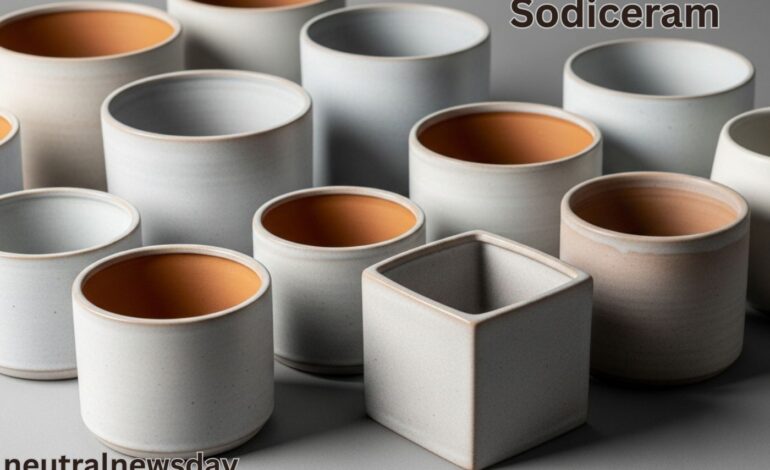
Sodiceram is a durable ceramic material designed for both decorative and functional surfaces. It combines strength, smooth finishes, and heat resistance, making it suitable for kitchens, flooring, walls, and industrial coatings. Unlike traditional ceramic tiles, Sodiceram is engineered to resist cracking, stains, and everyday wear.
People often choose Sodiceram because it balances durability with aesthetics. For instance, it can withstand hot pans in a kitchen or heavy foot traffic in hallways without losing its appearance. Its smooth surface is easy to clean, reducing the risk of bacteria and grime buildup.
This material comes in various colors, finishes, and thicknesses to match different design preferences. Homeowners, designers, and industrial users can select the right Sodiceram type depending on their functional needs and style goals. Its adaptability makes it a versatile choice for a wide range of projects.
 How Sodiceram Works
Sodiceram works by combining high-quality ceramic particles with a protective surface glaze. This structure creates a strong, smooth surface that resists heat, scratches, and chemical damage. The glaze also makes cleaning easy, which is ideal for kitchens and high-traffic areas.
For residential use, Sodiceram keeps countertops and floors safe from daily wear. Industrial applications benefit from its ability to withstand heavy use, reducing the need for frequent replacement. It works well on both horizontal and vertical surfaces, adapting to different installation methods.
The combination of materials also prevents moisture absorption and reduces staining, which prolongs the life of the surface. Proper installation ensures the material adheres well and performs as expected in real-life conditions.
Benefits of Sodiceram
The key benefits of Sodiceram include durability, heat resistance, low maintenance, and visual appeal. Surfaces remain strong even with daily use, and heat-resistant properties protect against burns from cookware or hot equipment.
Another advantage is its smooth, stain-resistant finish. Spills and dust are easy to clean, making it hygienic for kitchens and bathrooms. It’s also resistant to scratches and abrasions, keeping the surface looking new for years.
Sodiceram comes in multiple colors and textures, allowing homeowners and designers to match it with any decor style. Its long lifespan, combined with minimal upkeep, makes it a practical and aesthetically pleasing choice for residential and industrial spaces alike.
Problems Solved by Sodiceram
Sodiceram solves common issues with surfaces in homes and workplaces. Hot cookware, chemical spills, heavy foot traffic, and accidental impacts can damage conventional tiles or countertops, but Sodiceram withstands these challenges.
For kitchens, it prevents stains from acidic ingredients or hot pans. Flooring applications benefit from resistance to scratches, scuffs, and moisture. Industrial surfaces also last longer under constant mechanical or chemical stress.
By using Sodiceram, you reduce maintenance needs, replacement frequency, and the risk of visible wear. It provides reliable protection while maintaining an attractive appearance over time, saving money and effort in the long run.
 Core Features of Sodiceram
 Core Features of Sodiceram
Sodiceram’s core features include high strength, heat resistance, smooth finish, and low porosity. These qualities make it suitable for kitchens, bathrooms, floors, and industrial environments where durability is critical.
The material is available in different thicknesses and finishes, allowing customization based on location and intended use. For example, polished surfaces look elegant on countertops, while textured finishes prevent slipping on floors.
Sodiceram also offers chemical resistance, which helps maintain surface integrity when exposed to cleaning agents or spills. These combined features make it a reliable, long-lasting choice for both residential and commercial projects.
How to Choose the Right Sodiceram
Choosing the right Sodiceram depends on surface type, usage, and finish preference. For kitchens, focus on smooth, stain-resistant finishes. For high-traffic floors, select textured or thicker materials for extra durability.
Consider size and color options to match your design goals. Some products are better suited for vertical walls, while others are optimized for horizontal applications. Comparing products and checking manufacturer specifications ensures you select a type that meets both practical and aesthetic needs.
Proper installation is essential. Prepare the surface, choose compatible adhesives, and follow recommended curing times. These steps help the material perform as intended and extend its lifespan.
Sodiceram vs Alternatives
Compared to traditional ceramic tiles or composite surfaces, Sodiceram offers superior strength, heat resistance, and stain protection. While porcelain, quartz, and laminate may look similar, they often lack the same durability under heavy use.
Sodiceram maintains its appearance and performance longer, reducing repair or replacement costs. Its heat-resistant and chemical-resistant properties make it more reliable for kitchens, industrial settings, and high-traffic areas.
Choosing Sodiceram over alternatives ensures a combination of functionality and aesthetics. Users gain confidence that surfaces will remain attractive and safe for daily use, whether at home or in professional environments.
Practical Applications of Sodiceram
 Practical Applications of Sodiceram
Sodiceram can be used in kitchens, bathrooms, floors, walls, and industrial surfaces. In homes, it protects countertops from heat, scratches, and spills while adding an elegant finish. Flooring applications benefit from slip-resistant textures and long-term durability.
In commercial or industrial spaces, Sodiceram provides protective coatings for machinery, work surfaces, and high-traffic areas. Its chemical and abrasion resistance reduces downtime and maintenance costs.
Installation is flexible. It works well on wood, concrete, and metal substrates, making it adaptable to many projects. Regular cleaning and maintenance help preserve its appearance and functionality over time.
Advanced Installation Tips for Sodiceram
Installing Sodiceram correctly ensures maximum durability and performance. Start by planning the layout to minimize cuts and align patterns seamlessly. Always measure surfaces accurately and account for expansion gaps in areas with temperature changes.
Use high-quality adhesives recommended for ceramic surfaces. Apply evenly to prevent air pockets that can cause cracking or uneven surfaces. For large panels, consider a back-butter method to ensure full contact with the substrate.
Allow adequate curing time before using the surface. Avoid placing heavy objects immediately after installation. Following these advanced steps reduces long-term maintenance issues and ensures that the Sodiceram surface remains smooth, secure, and visually consistent over years of use.
Surface Preparation and Adhesive Selection
Proper surface preparation is critical for Sodiceram longevity. Clean the substrate thoroughly, removing dust, grease, or old adhesive residues. Uneven surfaces should be leveled with a self-leveling compound to prevent stress points.
Choose adhesives compatible with both the substrate and Sodiceram finish. Epoxy or cement-based adhesives work well for high-traffic or moisture-prone areas. Applying adhesive evenly with a notched trowel ensures strong bonding and prevents gaps or tiles lifting over time.
Sealing porous substrates before installation can further enhance adhesion and prevent moisture from compromising the bond. Proper preparation sets the foundation for a long-lasting, high-performance Sodiceram surface.
Cutting, Fitting, and Alignment Techniques

Cutting Sodiceram requires precision and the right tools. Use a wet saw or diamond blade cutter to prevent chipping. Measure twice and cut once to avoid wastage. For curved or irregular edges, a manual tile nipper may be used carefully.
When fitting panels, maintain consistent spacing to accommodate expansion and grout lines. Use spacers to ensure even alignment. Check alignment frequently with a level to avoid uneven surfaces.
Proper cutting and alignment enhance both durability and aesthetics. Small mistakes can lead to long-term issues, including cracks or uneven wear. Taking time during this step ensures a professional, polished finish.
Maintenance Routines for Longevity
Maintaining Sodiceram is simple but essential for preserving performance. Daily cleaning with a soft cloth or mop and mild detergent prevents buildup of dirt, grease, or residue. Avoid abrasive cleaners that can scratch the surface.
For high-traffic or kitchen areas, schedule weekly deep cleaning with non-acidic solutions. Inspect grout lines periodically and reseal if necessary to prevent moisture penetration. Use protective pads under heavy furniture or appliances to avoid scratches.
Regular maintenance not only preserves aesthetics but also enhances heat, stain, and chemical resistance. Simple routines can extend Sodiceram’s lifespan by many years, making it a cost-effective, low-maintenance choice.
Common Mistakes and How to Avoid Them
Common mistakes with Sodiceram installation include skipping surface leveling, using incompatible adhesives, or failing to account for expansion gaps. These errors can lead to cracks, uneven surfaces, or tiles lifting.
Other mistakes involve improper cleaning or applying harsh chemicals, which can damage the glaze. Using metal brushes, acidic cleaners, or high-pressure steam can reduce the surface’s lifespan.
Avoid these mistakes by following manufacturer guidelines, using recommended tools, and performing regular inspections. Proper installation and maintenance ensure the material remains functional, safe, and visually appealing over time.
Performance Comparison: Sodiceram vs Other Materials

Compared to porcelain, quartz, or laminate, Sodiceram offers superior scratch resistance, heat tolerance, and chemical stability. Porcelain may crack under heavy impact, while laminate can stain or warp with heat.
Sodiceram is less porous than standard ceramic tiles, reducing the risk of moisture damage. Its thermal stability allows direct contact with hot cookware or industrial machinery without compromising the surface.
In terms of long-term cost, Sodiceram often proves more economical because it requires fewer repairs and replacements. Users benefit from consistent performance and a visually clean, durable surface even in high-demand environments.
Industrial and Specialized Applications of Sodiceram
Sodiceram is ideal for industrial applications requiring resistance to heat, chemicals, or abrasion. Factories use it for workbenches, coating machinery surfaces, and chemical-resistant countertops.
Laboratories benefit from its non-porous surfaces, which prevent staining and contamination. Heavy machinery areas rely on its durability to reduce wear and downtime.
Sodiceram’s adaptability also makes it suitable for specialized protective coatings in commercial kitchens, garages, or outdoor workspaces. By selecting the correct finish and thickness, users can optimize both protection and aesthetics.
Creative and Decorative Uses of Sodiceram
Beyond functional applications, Sodiceram can be used creatively. Patterned tiles can form feature walls, backsplashes, or decorative flooring. Polished finishes provide a high-end, modern look for residential or commercial spaces.
Textured finishes improve traction for outdoor patios or pool areas while maintaining style. Designers can combine different colors or patterns to create visual interest.
Its adaptability makes Sodiceram an excellent choice for both decorative and practical surfaces. Homeowners and designers can enjoy versatile options that balance aesthetics with performance, all without sacrificing durability or maintenance ease.
Troubleshooting Sodiceram Issues
 Troubleshooting Sodiceram Issues
Minor scratches, chips, or grout discoloration are the most common issues. Use ceramic fillers or touch-up kits for small scratches. Larger damage may require replacing individual panels.
For lifting tiles, check adhesive coverage and ensure proper curing. Moisture issues can be addressed by resealing grout lines or ensuring proper drainage in wet areas.
Routine inspections, cleaning, and preventative maintenance reduce these issues. Troubleshooting early prevents small problems from becoming costly repairs and keeps Sodiceram surfaces functional and visually appealing.
Frequently Asked Questions (FAQ)
Q1: Can Sodiceram be installed on uneven surfaces?
No, the surface must be level and stable. Uneven substrates can cause cracking or lifting. Use self-leveling compounds for concrete, and ensure wood or metal surfaces are rigid. Proper leveling provides a stable foundation for adhesives and prevents long-term issues.
Q2: How resistant is Sodiceram to chemicals?
Sodiceram has high chemical resistance due to its dense ceramic composition and protective glaze. Common household cleaners, acids, and alkalis do not easily damage it. However, avoid prolonged exposure to highly concentrated chemicals without protective measures.
Q3: Can Sodiceram be used in outdoor kitchens or patios?
Yes, with proper sealing and installation. Smooth finishes are suitable for countertops, while textured finishes improve safety for walkways. Ensure adhesives and grout are rated for outdoor conditions and provide moisture resistance.
Q4: How long does Sodiceram last?
With proper installation and maintenance, Sodiceram can last decades. Its resistance to heat, scratches, and chemical exposure ensures longevity even in high-traffic or industrial environments. Regular cleaning and inspections help maintain durability.
Q5: Is Sodiceram eco-friendly?
Yes, it reduces replacement frequency due to its long lifespan and is manufactured using environmentally responsible processes. Low maintenance and durability also reduce resource use over time.
Conclusion: Key Insights and Recommendations
Sodiceram is a durable, versatile ceramic material suitable for residential, commercial, and industrial surfaces. Its heat resistance, scratch resistance, and low maintenance make it ideal for kitchens, floors, walls, and protective coatings.
Advanced installation techniques, proper surface preparation, and maintenance routines maximize its performance. Users benefit from practical, creative, and specialized applications without compromising aesthetics or durability.
By choosing Sodiceram over alternatives, users gain a long-lasting, reliable solution that withstands heat, chemicals, and everyday wear. When installed and cared for properly, it offers both functional performance and design flexibility, making it a smart choice for a wide range of projects.



1 Comment
[…] beauty standards continue to evolve, eroticbesuties has emerged as a meaningful aesthetic within photography, fashion, and digital art. Creators use […]