


Serlig: Definition, Meaning, Applications, and Digital Impact in 2026

Understanding the Core Meaning of Serlig
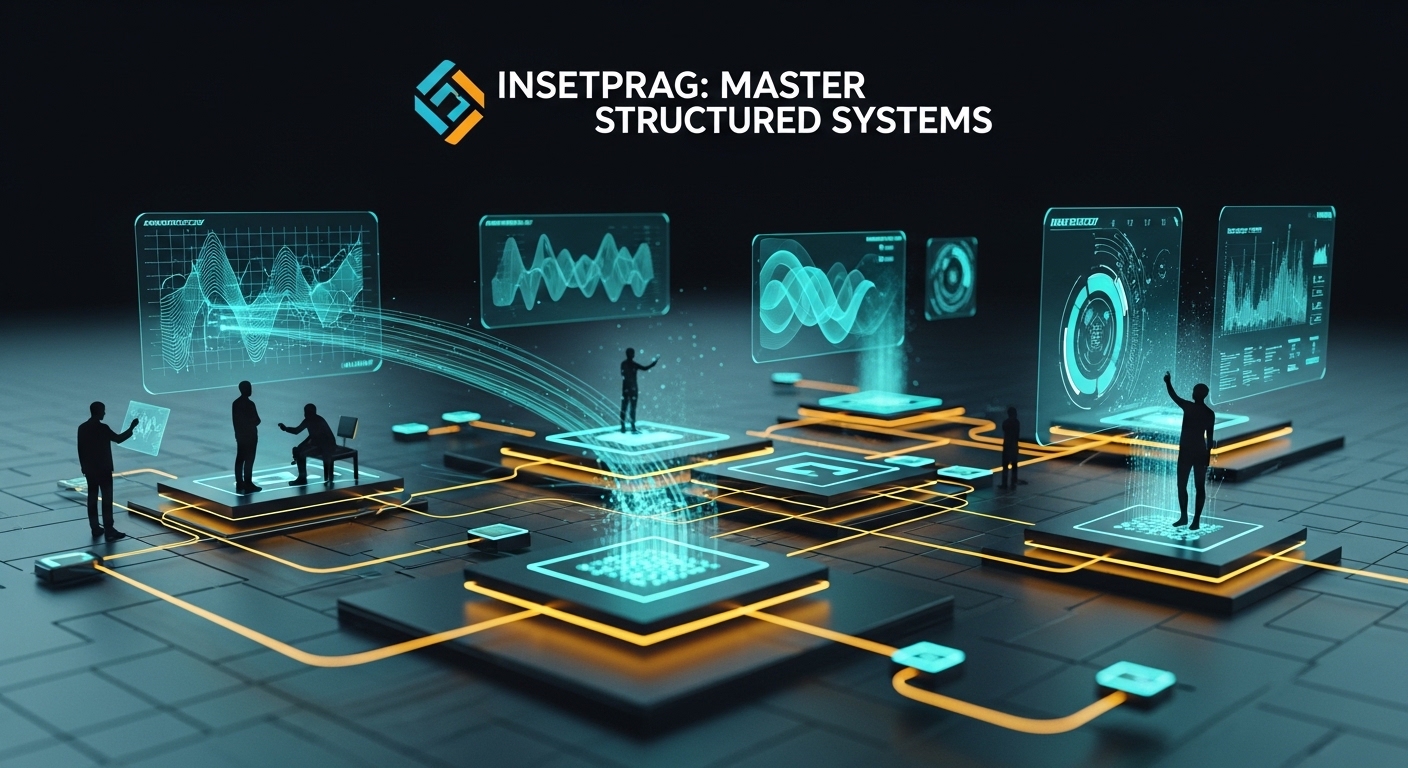
Serlig is a modern concept used to describe the structured connection between digital systems and human-centered processes. Across technology discussions, business blogs, and productivity platforms, Serlig appears as a framework that blends automation, workflow structure, and user-focused design. It is not defined as a single software product or registered platform. Instead, Serlig represents a digital approach that aligns smart tools with human behavior and operational goals.
In simple terms, Serlig focuses on improving how people interact with technology. It supports smoother processes, organized systems, and practical decision-making. As industries move toward automation and data-driven models, Serlig is increasingly referenced in conversations about digital efficiency and system thinking.
Why Serlig Is Trending in Technology and Business Discussions
The growing interest in Serlig reflects larger digital trends such as artificial intelligence integration, cloud-based collaboration, and process automation. As organizations search for structured digital frameworks, Serlig is often positioned as a model that combines technology with real human needs.
Writers connect Serlig with digital productivity systems, smart workflow management, and adaptive operational strategies. Individuals also explore Serlig in the context of time management and digital balance. Because it touches multiple sectors—technology, wellness, and business strategy—the term has gained broader search visibility. This rising curiosity indicates that Serlig is part of an ongoing shift toward organized digital ecosystems rather than isolated tools.
 What Is Serlig? Clear Definition and Conceptual Classification
Serlig is best understood as a digital framework that connects structured technology systems with human-centered design principles. Unlike a branded application, Serlig does not refer to a specific company or product. Instead, it represents a model that promotes integration between automation tools, data systems, and everyday workflows.
At its foundation, Serlig supports:
-
Organized digital processes
-
Alignment between tools and user behavior
-
Data-supported decision models
-
Efficient task coordination
The concept often appears in discussions about digital transformation, workflow optimization, and adaptive system design. Because the term is used in various industries, its exact meaning may shift slightly depending on context. However, its core idea remains consistent: Serlig focuses on structured, intelligent, and people-aware digital environments.
Origins and Evolution of the Serlig Concept
The origin of the term Serlig appears in online thought leadership articles and emerging digital blogs rather than in formal academic research. Over time, different authors interpreted Serlig through their own lenses—some presenting it as a productivity method, others as a technology model, and a few as a lifestyle framework.
This varied interpretation contributed to search engine ambiguity. However, the repeated association of Serlig with automation, human-centered systems, and digital alignment shaped its broader meaning.
The evolution of Serlig mirrors the growth of:
-
Artificial intelligence tools
-
Cloud collaboration platforms
-
Smart workflow systems
-
Digital well-being awareness
As digital complexity increased, so did the need for structured frameworks. Serlig gradually became associated with balancing innovation and human interaction in modern environments.
Core Characteristics That Define Serlig in Modern Context
Serlig is characterized by structured system thinking and digital integration. It brings together multiple elements into a unified operational model. Several defining traits are commonly linked to Serlig:
-
Human-centric design – prioritizing usability and clarity
-
Process automation – reducing manual workload
-
Data intelligence – using insights for decision-making
-
System integration – connecting tools across platforms
-
Adaptive structure – evolving with organizational needs
These features align Serlig with broader digital transformation strategies. Unlike isolated productivity hacks, Serlig promotes a coordinated framework. It does not focus only on speed; it emphasizes clarity, structure, and balanced digital interaction. This systemic approach differentiates it from simple task management methods.
Real-World Applications of Serlig in Technology and Business
Serlig principles appear in several practical areas. While the term itself may not represent a physical product, its framework can be observed in real operational systems.
In technology sectors, Serlig connects automation software with workflow analysis. In business environments, it influences process mapping and digital restructuring. In personal productivity, it supports structured scheduling and balanced digital habits.
Common application areas include:
-
Project management systems
-
Cloud-based collaboration platforms
-
AI-supported analytics dashboards
-
Digital performance tracking tools
Organizations adopting Serlig-inspired models aim to reduce fragmentation between departments. Instead of disconnected systems, Serlig promotes integrated workflows that support clarity and coordination.
How Serlig Supports Digital Productivity and Workflow Systems
One of the most discussed aspects of Serlig is its role in digital productivity. Modern workplaces rely on multiple tools—communication apps, task boards, data dashboards, and automation software. Without structure, these tools can create confusion rather than efficiency.
Serlig provides a conceptual structure that organizes these systems into a cohesive digital environment. It encourages:
-
Clear task delegation
-
Transparent process tracking
-
Integrated data sharing
-
Reduced digital overload
By aligning digital tools with defined objectives, Serlig reduces friction between technology and user intention. This structured workflow approach reflects broader digital ecosystem trends seen across industries adopting smart automation and collaborative platforms.
Serlig and Human-Centered Digital Design
A distinguishing aspect of Serlig is its focus on human experience within digital systems. Many automation models prioritize speed and output, but Serlig emphasizes balance between efficiency and usability.
Human-centered design within Serlig includes:
-
Simple interface structure
-
Reduced cognitive overload
-
Transparent system logic
-
Accessible data presentation
This approach supports sustainable digital use rather than constant acceleration. As discussions around digital fatigue and system complexity increase, Serlig offers a framework that considers both performance and well-being. The integration of user behavior into digital architecture reflects a more thoughtful technology strategy rather than purely technical optimization.
Benefits and Limitations of the Serlig Framework
Like any digital model, Serlig has strengths and challenges.
Key Benefits of Serlig
-
Encourages structured system thinking
-
Promotes integration over fragmentation
-
Supports data-driven decisions
-
Aligns tools with user needs
-
Reduces redundant workflows
Potential Limitations
-
Conceptual ambiguity in online sources
-
Lack of formal documentation
-
Inconsistent definitions across industries
Because Serlig is not tied to a specific standardized model, its interpretation depends on implementation. Organizations must define their own structure clearly to avoid confusion. When applied with clarity, Serlig supports long-term operational stability.
Serlig vs Digital Transformation: Understanding the Structural Difference
Serlig and digital transformation are often mentioned in similar discussions, yet they are not identical. Digital transformation refers to the broad adoption of technology across an organization. It includes cloud migration, automation tools, data systems, and AI platforms. Serlig, however, focuses on how those tools are structured and aligned with human workflows.
In simple terms, digital transformation introduces technology, while Serlig organizes and integrates it. Serlig emphasizes clarity, process flow, and user-centered design within digital ecosystems. Without structure, transformation efforts may create fragmented systems. Serlig addresses this gap by promoting integration, transparency, and balanced automation.
This distinction positions Serlig as a refinement model within broader technological change rather than a replacement for digital transformation strategies.
Serlig vs Automation Frameworks and Productivity Systems
Automation frameworks prioritize reducing manual work through scripts, software bots, and AI-driven processes. Productivity systems focus on task management, scheduling, and workflow tracking. Serlig connects these two areas under a structured digital model.
Unlike basic automation tools, Serlig does not only reduce effort. It organizes processes so automation aligns with clear objectives. Unlike simple productivity apps, Serlig extends beyond task lists into system architecture and workflow logic.
Key differences include:
-
Automation improves speed
-
Productivity systems track tasks
-
Serlig integrates structure across systems
This integrated perspective makes Serlig relevant to organizations seeking coordinated digital ecosystems rather than isolated efficiency tools.
Step-by-Step Guide to Implementing Serlig Principles
Implementing Serlig begins with structured planning rather than tool selection. The first step involves mapping existing workflows. This includes identifying overlapping systems, manual bottlenecks, and communication gaps.
Next, organizations align digital tools with defined goals. Automation is introduced where repetitive tasks exist. Data dashboards are structured for clarity rather than volume.
Core implementation stages include:
-
Process evaluation
-
System integration planning
-
Automation alignment
-
Workflow documentation
-
Continuous review
Serlig emphasizes iteration. Digital systems evolve, so structured reviews ensure alignment remains intact. This approach prevents tool overload and supports sustainable operational flow.
Serlig in Artificial Intelligence and Smart Systems
Artificial intelligence plays a growing role in digital ecosystems. However, AI without structure can produce inconsistent outputs and workflow disruption. Serlig provides a guiding framework for integrating AI responsibly and logically.
Within Serlig-based systems, AI tools are placed into defined operational paths. Data input channels are organized, and decision points are clarified. This reduces confusion and supports transparency.
Serlig principles in AI environments include:
-
Clear automation triggers
-
Transparent data flow
-
Defined user oversight
-
Balanced human-machine interaction
As AI adoption expands across industries, structured frameworks like Serlig help maintain order, accountability, and usability within smart digital systems.
The Role of Serlig in Digital Well-Being and Balanced Technology Use
Digital overload has become a common challenge in modern workplaces. Multiple apps, constant notifications, and fragmented workflows create stress rather than efficiency. Serlig addresses this issue by promoting structured digital environments.
Through system alignment and simplified interfaces, Serlig reduces cognitive strain. It encourages purposeful tool usage rather than reactive multitasking. Clear workflow logic prevents task duplication and unnecessary communication loops.
Digital well-being within Serlig includes:
-
Controlled automation
-
Organized notification systems
-
Defined work boundaries
-
Transparent task tracking
This balanced approach supports productivity without contributing to burnout. It reflects a shift toward responsible digital architecture rather than uncontrolled technological expansion.
 Industry Applications of Serlig Across Sectors
 Industry Applications of Serlig Across Sectors
Serlig principles can be adapted to various industries because they focus on structure rather than specific tools. In healthcare, Serlig supports coordinated patient data systems. In finance, it aligns analytics dashboards with regulatory workflows. In education, it structures digital learning platforms for clarity.
Other sectors applying Serlig-inspired models include:
-
E-commerce operations
-
Logistics management systems
-
Corporate communication networks
-
Software development pipelines
Each sector benefits from integration, process clarity, and automation balance. Serlig’s adaptability contributes to its rising visibility in online discussions about smart digital ecosystems and operational efficiency.
Future Outlook: Serlig in 2026 and Beyond
The future of Serlig aligns with broader technology trends. As organizations adopt artificial intelligence, predictive analytics, and cross-platform collaboration, structured frameworks become more important. Serlig supports these developments by maintaining order within expanding digital infrastructures.
Future projections suggest:
-
Increased demand for workflow integration models
-
Growth of human-centered automation
-
Stronger emphasis on digital accountability
-
Expansion of smart ecosystem design
Serlig may continue evolving as terminology changes. However, its underlying principles—structured systems, integration logic, and human alignment—reflect long-term digital priorities rather than temporary trends.
FAQs
How does Serlig improve workflow efficiency?
Serlig improves workflow efficiency by aligning digital tools with clearly defined processes. Instead of layering multiple apps without coordination, Serlig promotes system mapping and integration. This structured approach reduces redundant tasks, improves communication clarity, and ensures that automation supports specific goals rather than operating independently.
Why is Serlig described differently across websites?
Serlig appears with varied definitions because it is not tied to a single formal organization or product. Different authors interpret it through their industry perspective. Some highlight productivity, others focus on automation or digital well-being. Despite these variations, most descriptions center on structured digital integration and human-focused system design.
Is Serlig linked to any official company or registered entity?
There is no widely recognized corporation or registered software platform formally named Serlig. It functions as a conceptual framework rather than a proprietary product. This open interpretation contributes to its flexible usage across multiple industries and online publications.
Can small businesses apply Serlig principles?
Yes. Small businesses can apply Serlig concepts by organizing workflows, integrating communication tools, and aligning automation with clear objectives. Even basic steps—such as reducing duplicate systems and documenting digital processes—reflect Serlig-inspired structure.
How does Serlig relate to cloud computing systems?
Cloud computing provides scalable infrastructure for digital operations. Serlig complements cloud systems by structuring how those tools are used. It ensures that shared platforms, data storage, and collaborative tools operate within a coordinated workflow rather than isolated silos.
What long-term impact could Serlig have on digital strategy?
If the concept continues evolving, Serlig may influence how organizations approach digital architecture. Structured integration models reduce complexity and improve transparency. As systems grow more advanced, clear frameworks like Serlig may guide sustainable, human-aware technological growth.
Final Reflection on the Serlig Framework
Serlig represents a structured approach to digital integration, automation alignment, and human-centered design. While definitions may vary across online discussions, its core focus remains consistent: building organized digital ecosystems that balance efficiency with usability.
As industries navigate expanding technological complexity, frameworks that prioritize clarity, structure, and thoughtful integration are likely to remain relevant. Serlig reflects this direction by connecting smart systems with purposeful workflow design.






1 Comment
[…] CNLawBlog is a professional legal information platform dedicated to explaining Chinese law in plain, straightforward language for a global audience. Whether you are a foreign entrepreneur setting up a WFOE, a law student researching PRC legal structures, or an expat trying to understand your rights in China, this blog delivers the clarity you need, without the legal jargon that slows most people down. […]